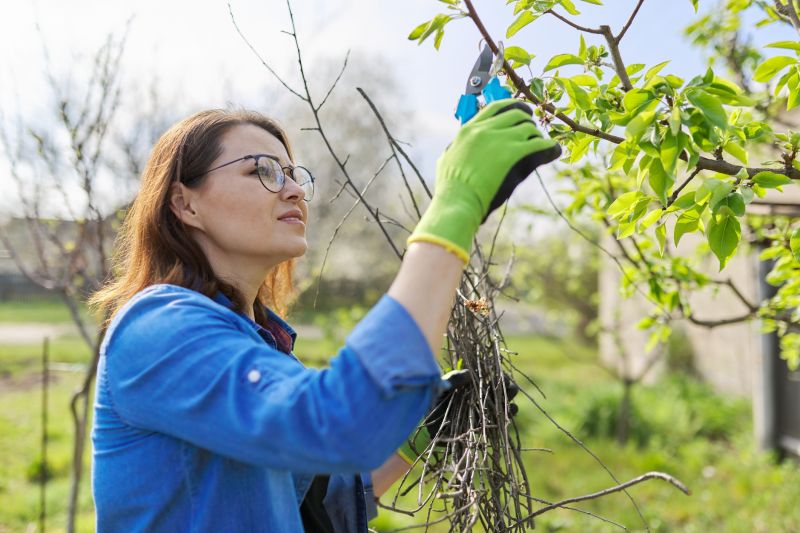
Pear Tree Pruning in Allentown, PA
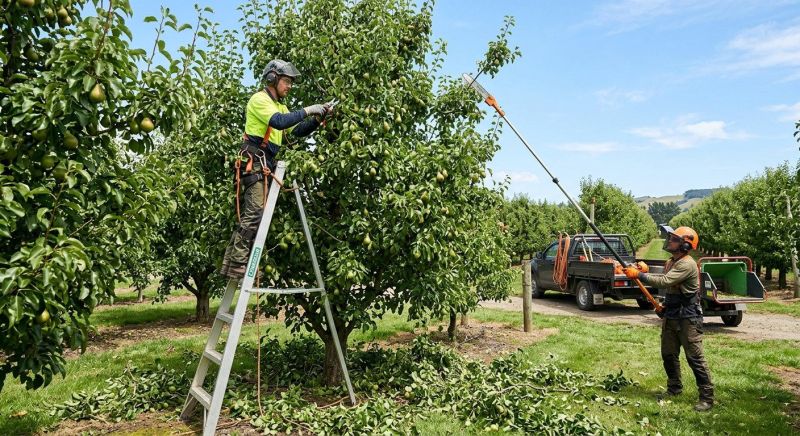
Pear Tree Pruning services involve the selective trimming and shaping of pear trees to promote healthy growth, improve fruit production, and maintain a balanced appearance. This process can include removing dead or diseased branches, reducing overcrowding, and shaping the canopy to allow better sunlight penetration. Property owners often request this service for orchard management, landscape enhancement, or to ensure safety by removing branches that pose a risk of falling. Before requesting pruning, it is helpful to understand the specific goals for the tree’s health and appearance, as well as any local regulations or guidelines that may influence the pruning approach.
Homeowners typically seek pear tree pruning to enhance fruit yield, prevent storm damage, or improve the overall aesthetics of their landscape. It’s important to consider the age and condition of the trees, as well as the best time of year for pruning, which generally depends on the tree’s growth cycle. Clarifying the desired outcome-whether focused on fruit production, safety, or visual appeal-can help determine the appropriate pruning method and scope. Contacting a professional for guidance can ensure that the pruning is performed correctly to support the long-term health and beauty of the trees.
Many property owners in Allentown, PA look into Pear Tree Pruning for repairs, replacements, upgrades, and appearance-related improvements.
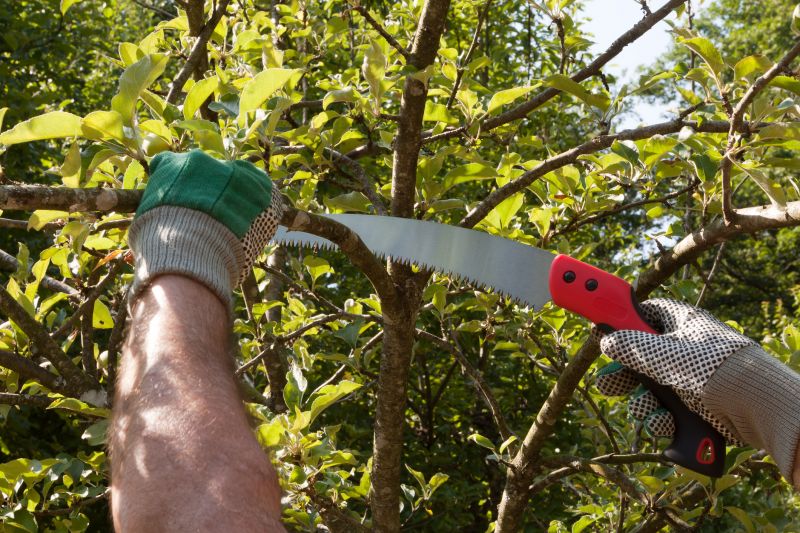
Benefits Of Pear Tree Pruning
Proper pruning helps maintain tree health, encourages growth, and improves landscape appearance.
Common Pruning Techniques
Techniques include crown thinning, shaping, and removing dead or diseased branches to promote safety and aesthetics.
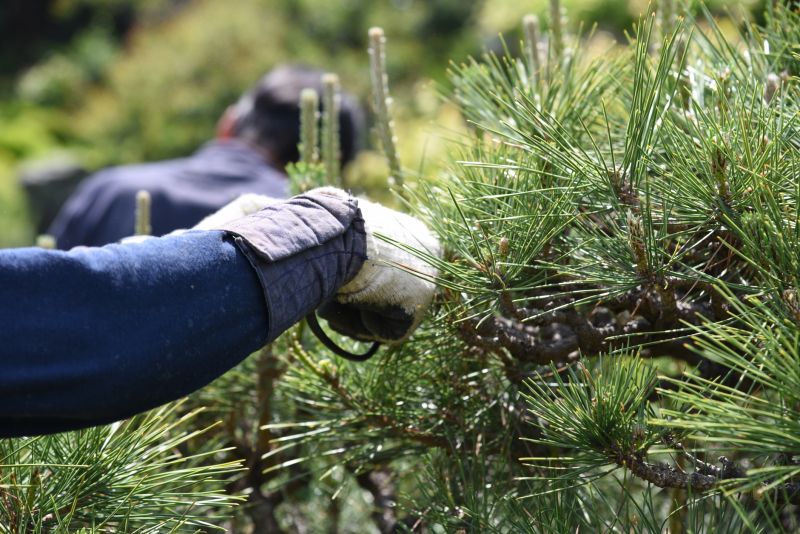
When To Prune Pear Trees
Pruning is best done during late winter or early spring to support healthy development throughout the growing season.
Pear Tree Pruning in Allentown, PA

Pear Tree Pruning services involve the selective trimming and shaping of pear trees to promote healthy growth, improve fruit production, and maintain a balanced appearance. This process can include removing dead or diseased branches, reducing overcrowding, and shaping the canopy to allow better sunlight penetration. Property owners often request this service for orchard management, landscape enhancement, or to ensure safety by removing branches that pose a risk of falling. Before requesting pruning, it is helpful to understand the specific goals for the tree’s health and appearance, as well as any local regulations or guidelines that may influence the pruning approach.
Homeowners typically seek pear tree pruning to enhance fruit yield, prevent storm damage, or improve the overall aesthetics of their landscape. It’s important to consider the age and condition of the trees, as well as the best time of year for pruning, which generally depends on the tree’s growth cycle. Clarifying the desired outcome-whether focused on fruit production, safety, or visual appeal-can help determine the appropriate pruning method and scope. Contacting a professional for guidance can ensure that the pruning is performed correctly to support the long-term health and beauty of the trees.
Many property owners in Allentown, PA look into Pear Tree Pruning for repairs, replacements, upgrades, and appearance-related improvements.
Common Pear Tree Pruning Jobs
Pear Tree Pruning - shaping and trimming pear trees to promote healthy growth.
Fruit Tree Pruning - removing dead or diseased branches to improve fruit production.
Structural Pruning - shaping trees to maintain a strong, safe structure.
Thinning - reducing canopy density for better air circulation and sunlight exposure.
Seasonal Pruning - performing cuts at optimal times for tree health and fruit yield.
Overgrown Tree Trimming - reducing size and removing hazardous branches for safety and aesthetics.
Pear Tree Pruning Questions
Why is pear tree pruning important? Proper pruning helps maintain tree health, encourages better fruit production, and prevents branch damage or disease.
When is the best time to prune a pear tree? The ideal time to prune is during late winter or early spring before new growth begins.
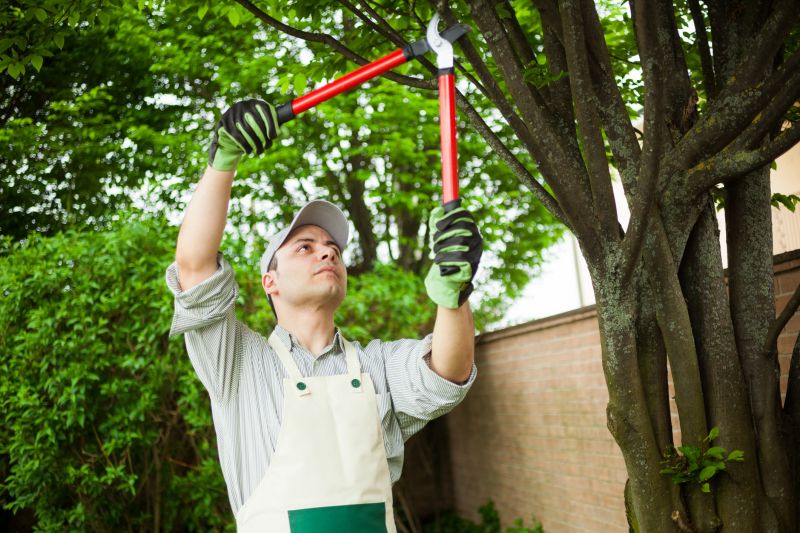
What tools are needed for pear tree pruning? Sharp pruning shears, loppers, and possibly a pruning saw are commonly used for shaping and removing branches.
How does pruning affect pear tree growth? Regular pruning promotes stronger growth, improves air circulation, and supports better fruit development.
Request Pear Tree Pruning in Allentown, PA
Use the quote form on this page to share the basics of your project and request more information for the type of work you need.